

Functional mushrooms are gaining popularity as natural support for immunity, metabolic health, and anticancer effects. More and more research confirms their effectiveness thanks to the presence of bioactive compounds, such as β-glucans. What properties do mushrooms truly hold? Here's a scientific overview of their potential.
Health from nature
Functional mushrooms, used for centuries in traditional medicine, are now attracting significant interest in the scientific world. They are a source of valuable nutrients: protein, fiber, vitamins, and, above all, bioactive polysaccharides.
These include β-glucans – compounds with strong immunomodulatory, antioxidant, anticancer, and antimicrobial effects.
Bioactive components of mushrooms and their properties
Polysaccharides, mainly β-(1→3), β-(1→6) D-glucans, dominate in the cell walls of mushrooms, influencing the activation of the immune system. Mushrooms also contain triterpenes, polyphenols, sterols (e.g., ergosterol), selenium, and proteins with health-promoting properties.
β-glucans activate immune cells – macrophages, T lymphocytes, NK cells, and dendritic cells. Their action is based on stimulating phagocytosis, cytokine production, and free radicals. They act as immunostimulants and support the body in fighting infections and cancers.
Also read: Functional mushrooms and diabetes. What does scientific research say?
Extraction of active ingredients – key to effectiveness
Not every functional mushroom extract works the same way – the method used to obtain bioactive substances is of paramount importance. It is the extraction method that determines how many valuable compounds – such as β-glucans, triterpenes, or polyphenols – will ultimately make it into the product and how effectively they will support our body.
One of the oldest and most commonly used methods in scientific research on mushrooms is hot water extraction. This classic technique uses hot water to "pull out" soluble polysaccharide fractions from the mushroom – especially β-glucans, which are responsible for immunostimulating effects. This method is effective but has its limitations – it does not extract many compounds that are exclusively fat-soluble.
In contrast, organic solvent extraction, e.g., with hexane or ethanol, allows for the extraction of compounds such as triterpenes, sterols, and lipids. While effective, it requires precise control to avoid chemical residues in the final product.
Modern approaches are represented by ultrasound extraction methods. These advanced technologies allow for the preservation of the full spectrum of bioactive ingredients with minimal impact on their chemical structure. Ultrasound effectively breaks down mushroom cell walls, releasing substances that might remain unextracted with other methods. Importantly, the process is fast, efficient, and does not require high temperatures, which protects delicate ingredients from degradation.
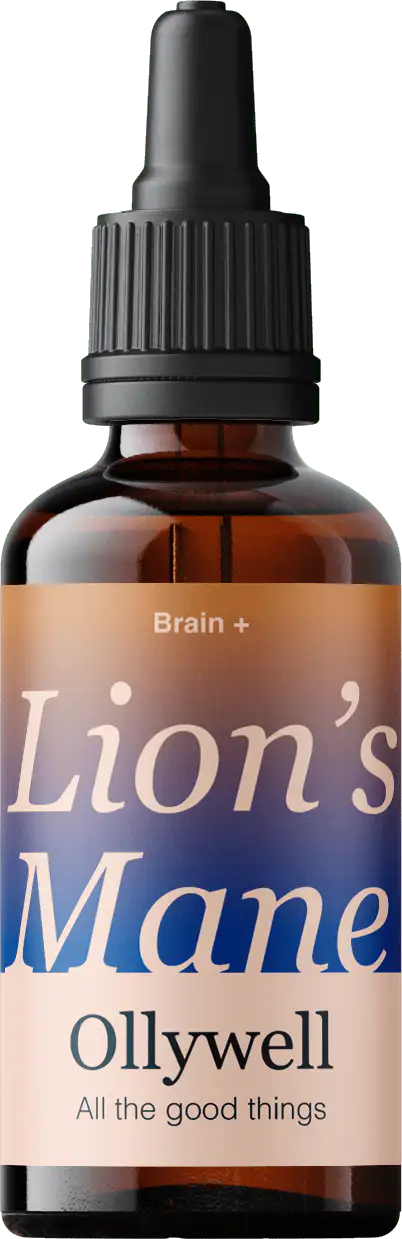
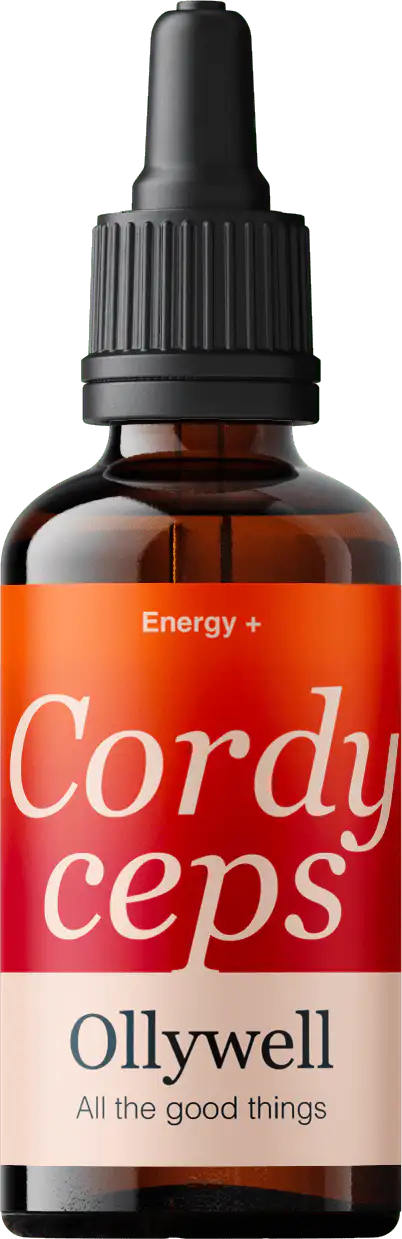
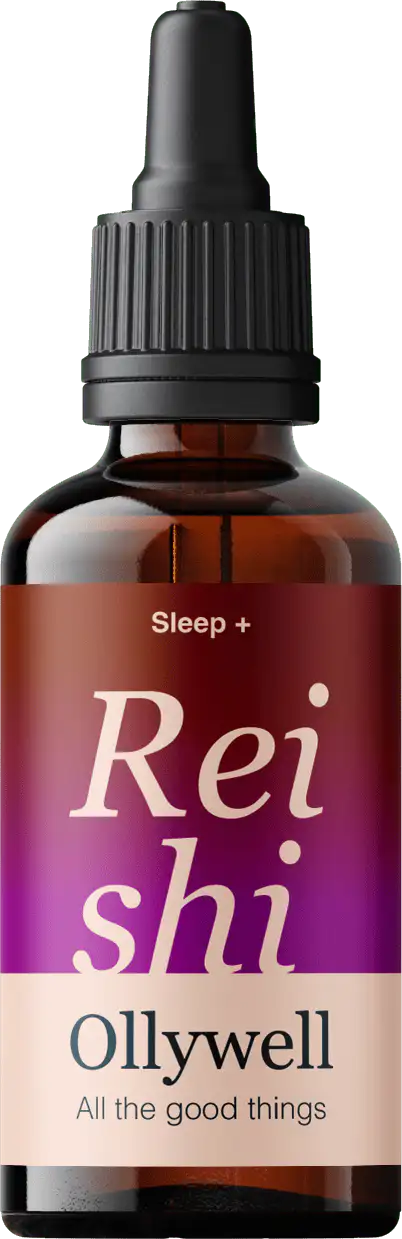
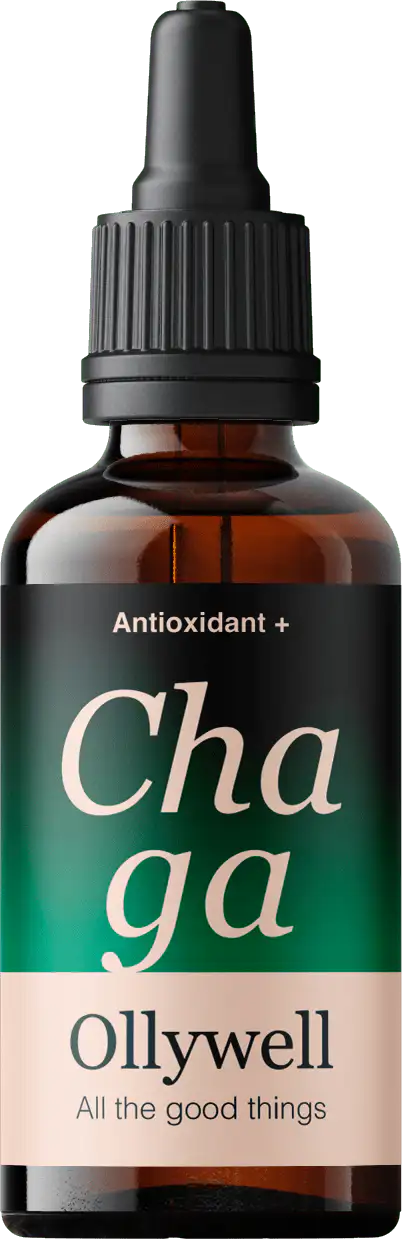
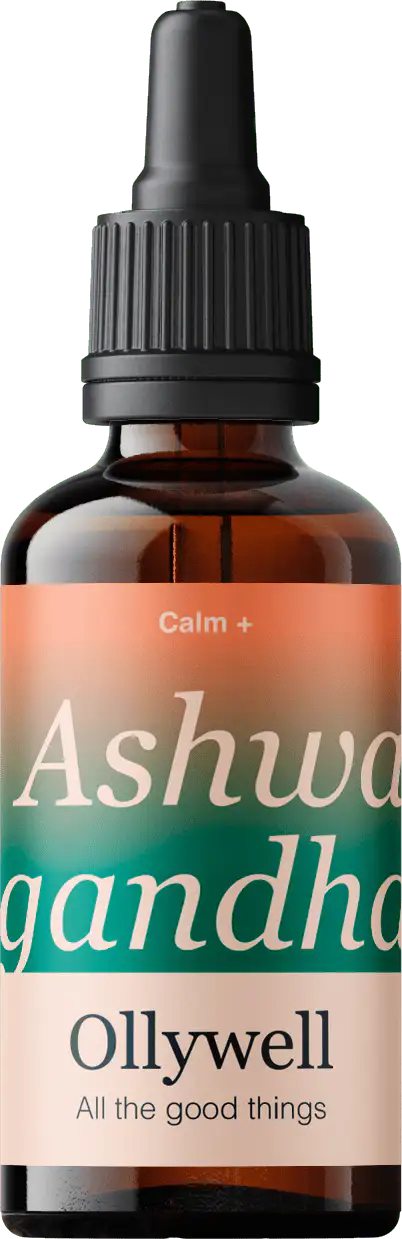
Ollywell brand uses ultrasonic extraction. Why is this so important? Because thanks to this technology:
- The maximum amount of active ingredients is released and preserved in the finished extract.
- Each batch is repeatable, standardized, and controlled.
See also: Ollywell - quality you can trust
Functional mushrooms in research – anticancer and anti-infectious support
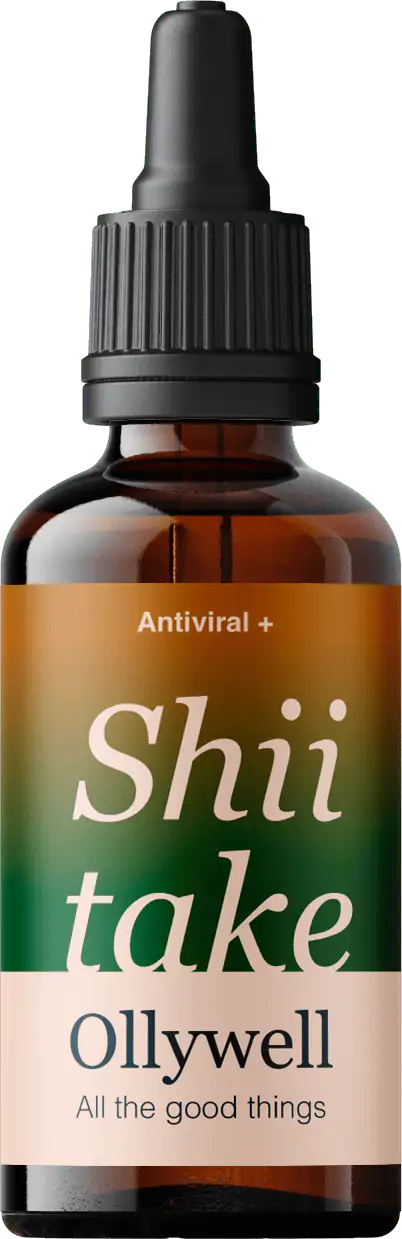
According to the scientific review by Patel et al. (2021), functional mushrooms show significant potential in supporting cancer therapies and infections. Extracts from species such as Maitake or Shiitake can inhibit the growth of cancer cells by activating the immune response (including T lymphocytes) and initiating apoptosis, i.e., programmed death of cancer cells.
Interestingly, one of the described studies used β-glucan from Pleurotus tuber-regium enriched with gold nanoparticles, which proved effective in destroying breast cancer cells under photothermal conditions – an innovative therapy using heat and light.
The review also includes the antioxidant and antimicrobial properties of mushrooms. Polysaccharides from Russula vinosa effectively neutralize free radicals, protecting cells from oxidative stress, and Lactiporus sulphureus exhibits antibacterial activity, even against Mycobacterium tuberculosis.
All of this confirms that functional mushrooms can show enormous potential as a significant element supporting therapies in chronic and infectious diseases. However, this area requires more research.
Why trust Ollywell functional mushrooms?
Ollywell is a brand that prioritizes the highest quality and safety of its products.
All adaptogens:
- Come from local farms: minimizing their carbon footprint and supporting local producers.
- Are standardized: meaning each serving contains a specified amount of active ingredients with proven efficacy.
- Are created through an advanced production process: Ollywell extracts are produced using an ultrasonic method, which allows for the preservation of the full spectrum of bioactive ingredients.
- Are comprehensively tested: each batch undergoes rigorous quality testing.
By choosing Ollywell adaptogens, you invest in natural support for your health. Take comprehensive care of yourself and let nature support you every day.
Source: Patel, D.K. et al. (2021). Mushroom-Derived Bioactive Molecules as Immunotherapeutic Agents: A Review. Molecules, 26(5), 1359


Leave a comment: